Section 06 of 06
Buying Heritage: The Authenticity Guide
The site’s spine: the tests, the history and the care rules that turn souvenirs into keepsakes worth keeping.
- 06
- 3 guides
- The St. Petersburger desk
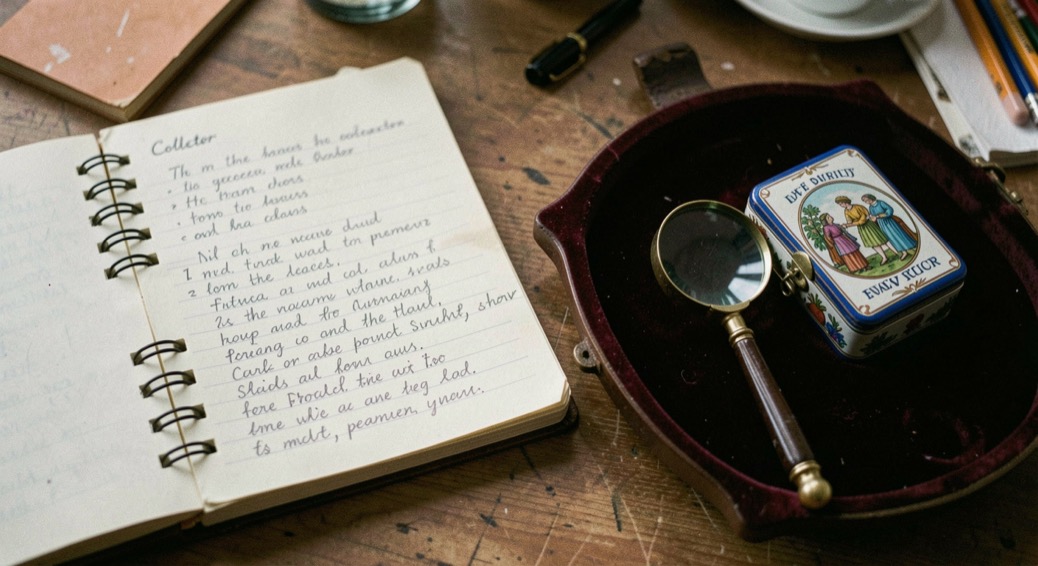
Every other section ends with a version of the same question: is this one real? This section answers it directly. It collects the failure modes that copies share across materials, from printed brushwork to cast plastic amber, and it tells the one story on this site where documents matter most: the House of Faberge, its imperial Easter commissions, and the museum on the Fontanka that now keeps a famous share of them.
It ends where a good guide should, with care: lacquered wood, amber, porcelain and wool all age differently, and most damage to genuine pieces happens at home, not in the workshop. The rules are short, and they protect what the recognition guides helped you find.
In this section
-
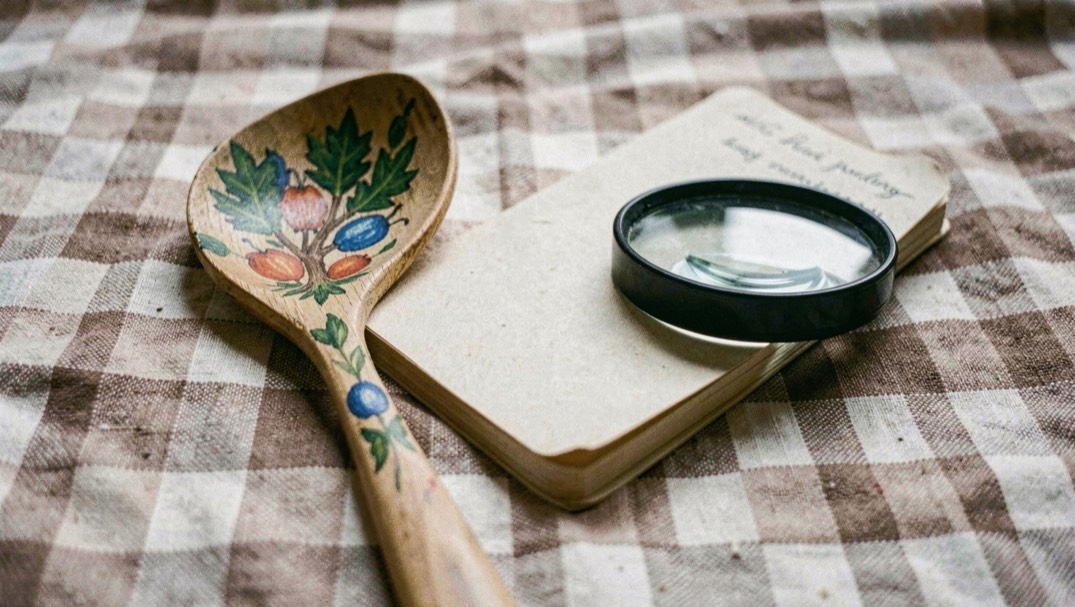
How copies fail: a cross craft guide to fakes
Every craft fails differently, but counterfeits fail the same: they print what should be painted, cast what should be carved, and story what should be documented.
-
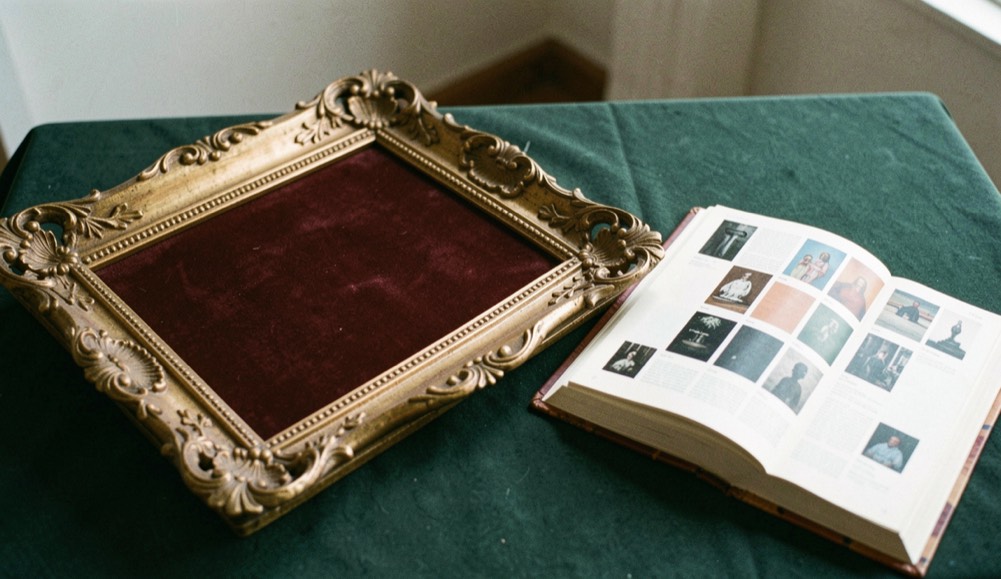
The Faberge imperial eggs, as documented
No craft story on this site is surrounded by more invention: the eggs deserve the discipline of the record, and the record is spectacular enough.
-
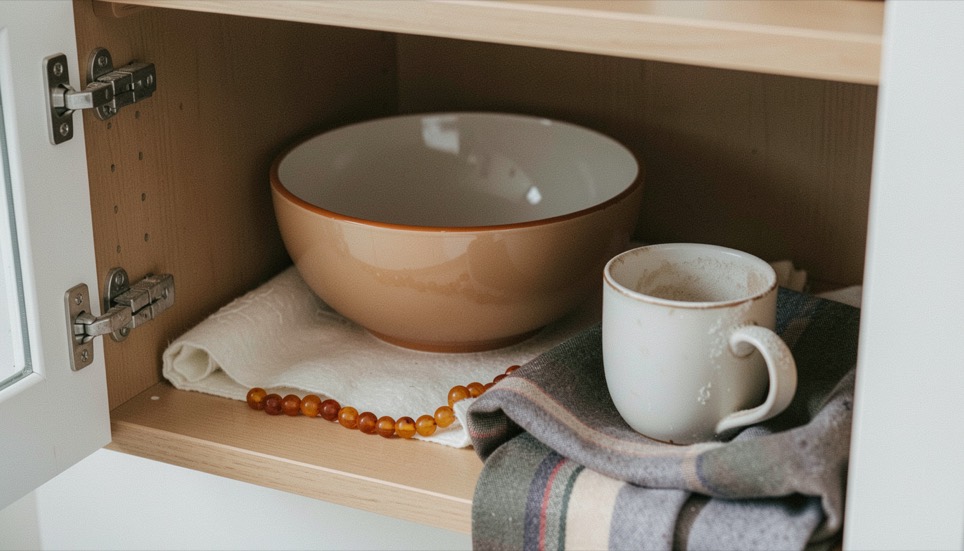
The care guide: keeping crafts alive at home
Most damage to genuine pieces happens at home, one kind gesture at a time: a dishwasher here, a sunny shelf there, a perfumed wrist.
Two neighbouring sections continue the story: Matryoshka & Dolls and Amber & Jewelry. The recognition rules shared by every craft are collected in the guide to spotting fakes.