Russian crafts, read slowly
The St. Petersburger
A heritage guide to the crafts that carried a city’s name into the world’s cabinets: nesting dolls and amber, painted wood and porcelain, wool and lace. What they are, where each style comes from, how a genuine piece announces itself, and what a copy usually forgets.
Understand · Recognize · Compare · Care
The six sections
From the lathe to the tea table, numbered as on a workshop shelf.
-
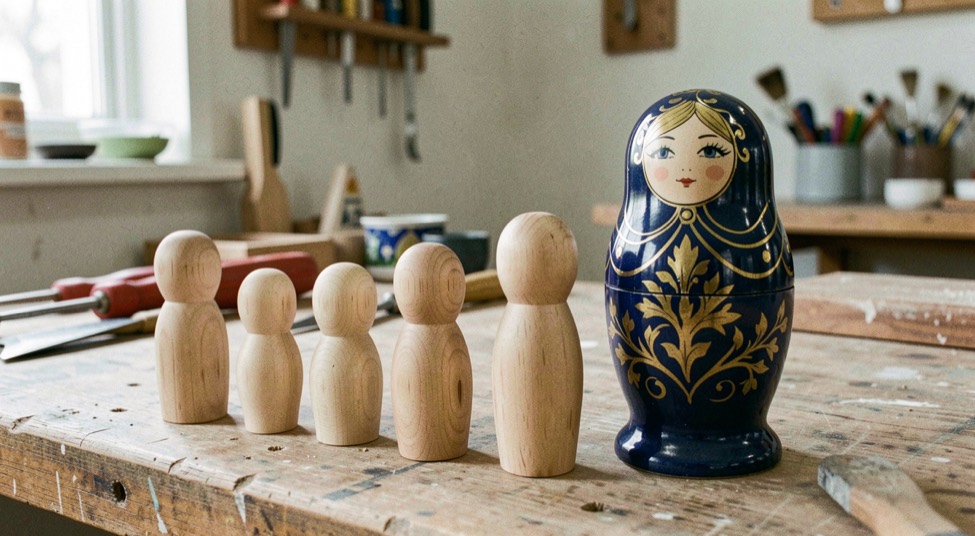
Matryoshka & Dolls
From Sergiev Posad workshops to Semyonov roses: a century of turning and painting, read through the piece itself.
-
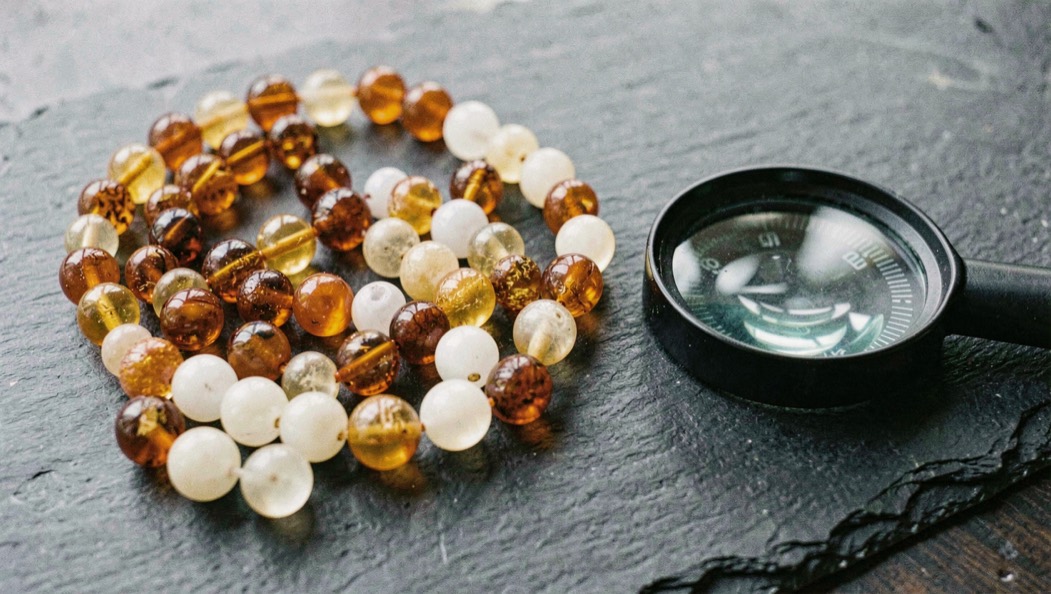
Amber & Jewelry
Forty million years of forest resin, one honest test at a time: succinite, pressed ambroid, copal and plastic told apart.
-
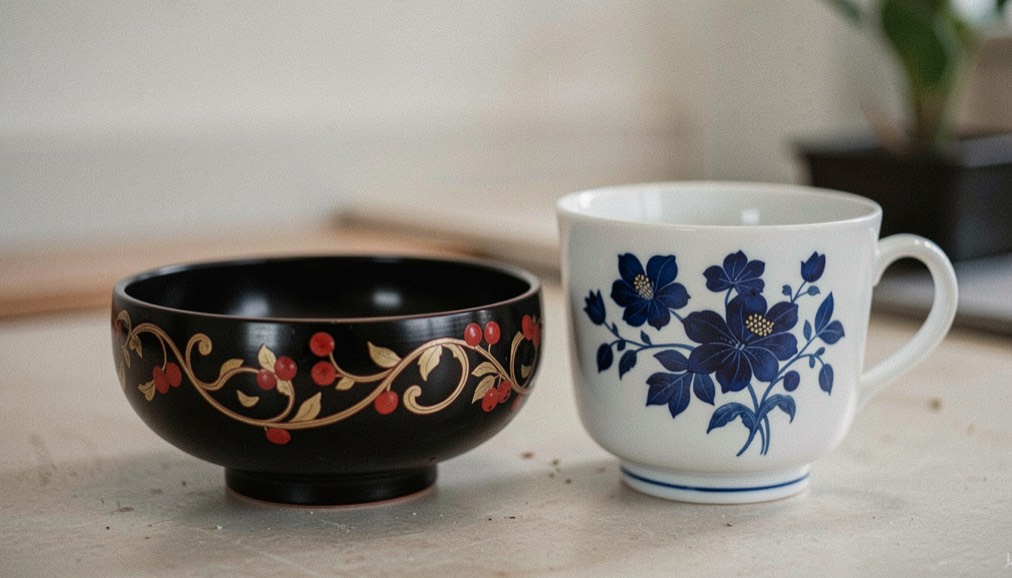
Painted Crafts
A brush, a kiln and three centuries: khokhloma’s fake gold, gzhel’s cobalt, and the miniature villages that never stopped painting.
-
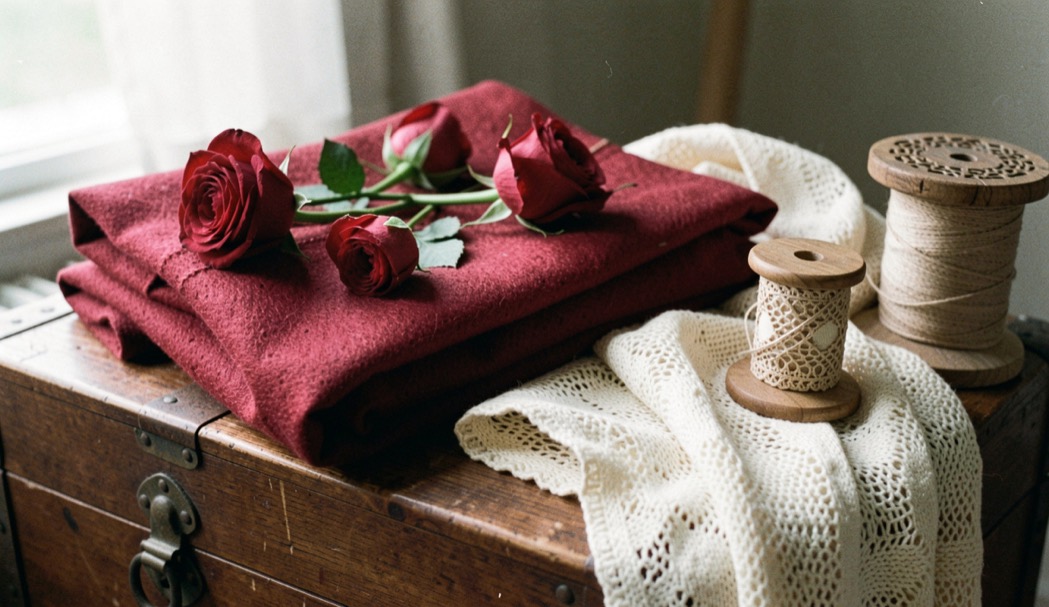
Textiles & Shawls
Wool you can read like a book, down light as breath, lace worked on bobbins: the textile trades of town and steppe.
-
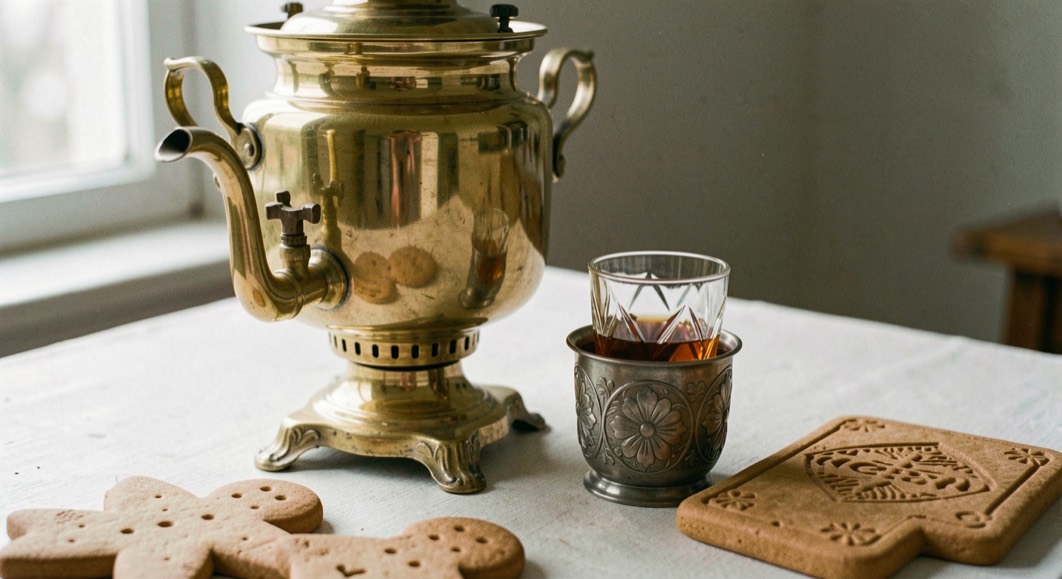
Food & Tea Gifts
A samovar at the center, printed gingerbread at the edge: the pantry crafts that carried domestic life, and their marks.
-
Buying Heritage Guide
The site’s spine: the tests, the history and the care rules that turn souvenirs into keepsakes worth keeping.
The dated register
New guides, latest first, as in a shop ledger.
-

· Food & tea
The Local Produce Show: Bench Rules and Flower Prep
How a local produce show works: entry conditions, staging on the bench in the hall, and how to cut and prepare flowers for judging.
-

· Buying heritage
Acacia Decks and Ventilated Facades: A Practical Guide
How to choose acacia decking by thickness and grade, set the right joist spacing, and build a ventilated facade that keeps the wood sound outdoors.
-

· Buying heritage
Lamps, Light and the Russian Interior
Decorative lighting in the Russian interior: how collectors read lampshades, bulbs and kelvin scales when displaying lacquer, brass and textiles.
-

· Buying heritage
Drains, Pipes and Local Plumbing: A Care Guide
How to read clogged drains, slow water and pipe failures, when to document rather than act, and where local plumbing guidance fits.
-

· Buying heritage
Limescale, Delicate Laundry, Kitchen Odors
Practical answers for everyday household care: removing limescale in the bathroom, washing delicate clothing, and clearing stubborn kitchen odors.
-

· Buying heritage
Caring for Russian Crafts at Home: A Reader's Guide
How collectors keep samovars, lacquered boxes and nesting dolls in good condition, with practical home care habits drawn from French household maintenance
-

· Buying heritage
Wood, Furniture and Materials for the Home
How collectors of Russian crafts can read European wood, furniture and home materials: essences, veneers, finishes and care, from a comparative angle.
-

· Buying heritage
Windows for period homes: PVC, timber and sash choices
What to verify before signing a PVC window contract, how PVC compares with timber, and whether timber sliding sash windows suit period homes.
-

· Buying heritage
Handed Down at Home: Reading a Grandmother Blog
A look at I Love Ma Grand Mère, a French blog of household knowledge, and what its recipes, gardening notes and remedies tell collectors of Russian crafts.
-

· Buying heritage
Care and Cleaning for Russian Craft Collections
How collectors clean, disinfect and protect samovars, lacquerware and nesting dolls, with safe hygiene practices adapted to delicate heritage materials.
-

· Buying heritage
Wood, Cream and Craft: Housing the Russian Object
How to display Russian crafts at home: cream interiors, wooden crates, zoned lighting, and seasonal care for objects in wood, lacquer and enamel.
-

· Buying heritage
Buying a Home Abroad: From St. Petersburg Habitation to
A documented look at how Russian and European buyers approach home purchase, mortgages, notaries and property care, with a guide to buying in Italy.
-
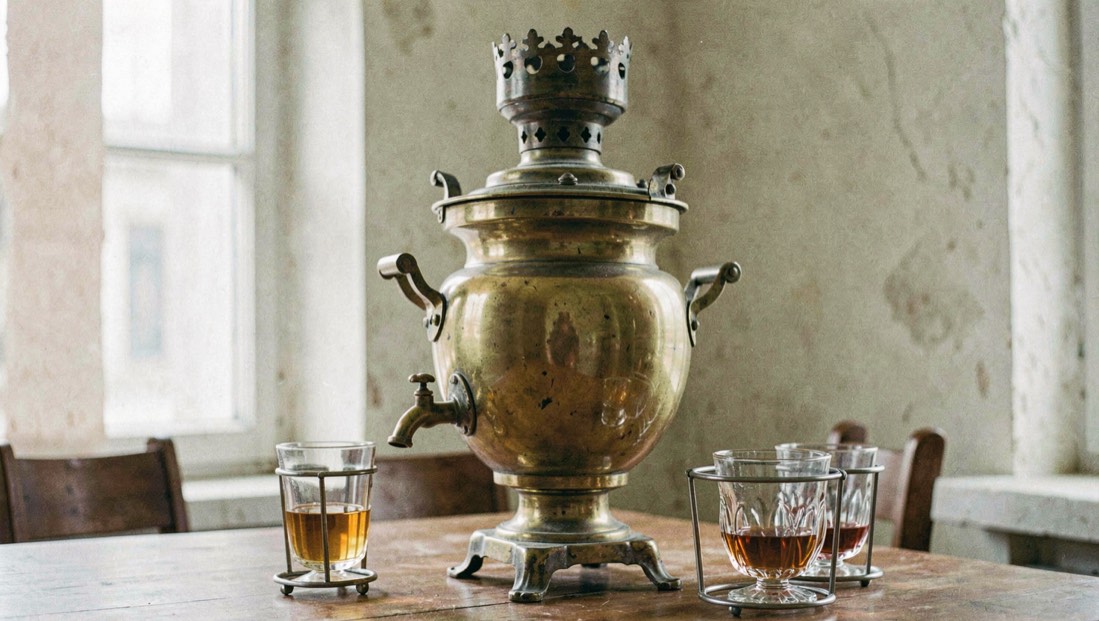
· Food & tea
The samovar and the tea table it built
A charcoal stove that pours: the samovar organized a whole domestic ritual, and its metals and stamps make it one of the most readable antiques.
-
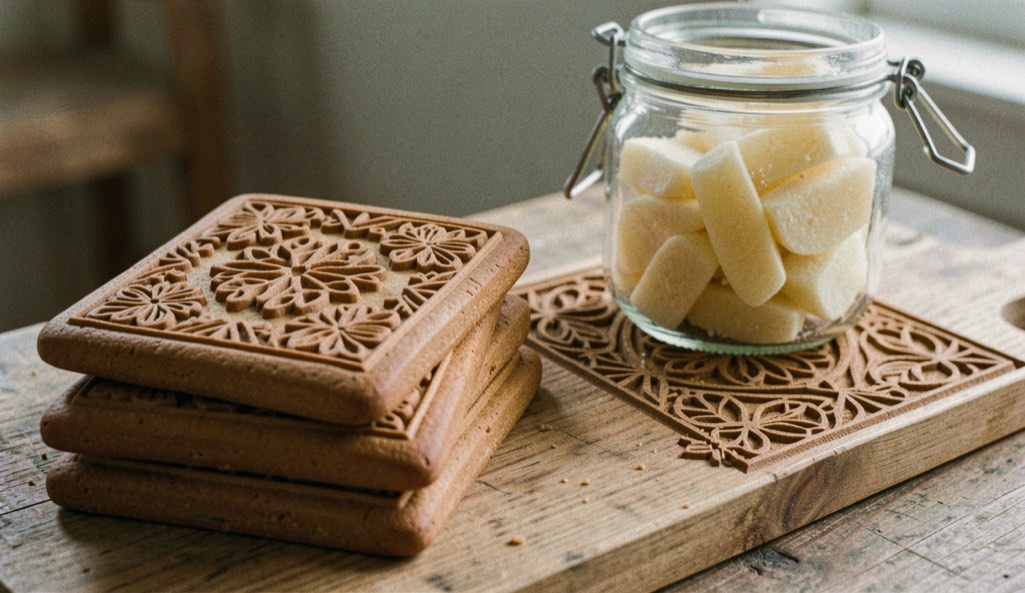
· Food & tea
Pantry crafts: pryaniki, pastila and the heritage shelf
The only crafts on this site meant to be eaten: stamped gingerbread, whipped apple pastila and pantry traditions that survived their own consumption.
-
· Buying heritage
How copies fail: a cross craft guide to fakes
Every craft fails differently, but counterfeits fail the same: they print what should be painted, cast what should be carved, and story what should be documented.
-
· Buying heritage
The Faberge imperial eggs, as documented
No craft story on this site is surrounded by more invention: the eggs deserve the discipline of the record, and the record is spectacular enough.
-
· Buying heritage
The care guide: keeping crafts alive at home
Most damage to genuine pieces happens at home, one kind gesture at a time: a dishwasher here, a sunny shelf there, a perfumed wrist.
-
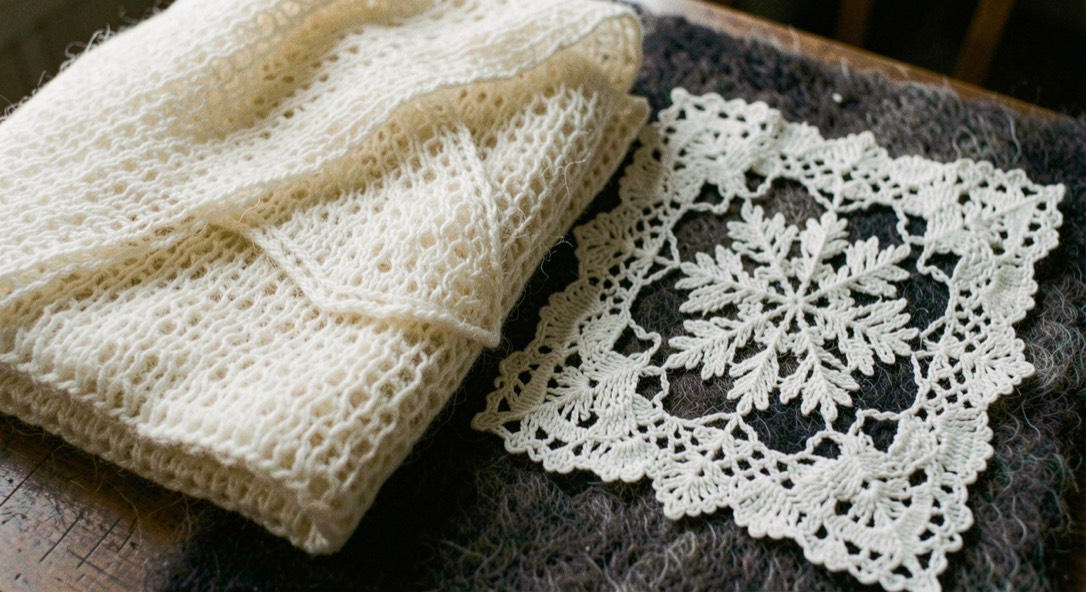
· Textiles
Down and lace: the steppe shawl and the northern braid
Two handmade textiles from the opposite ends of the country: gossamer down knitted in the steppe, and a lace braid winding through the northern snow.
-
· Textiles
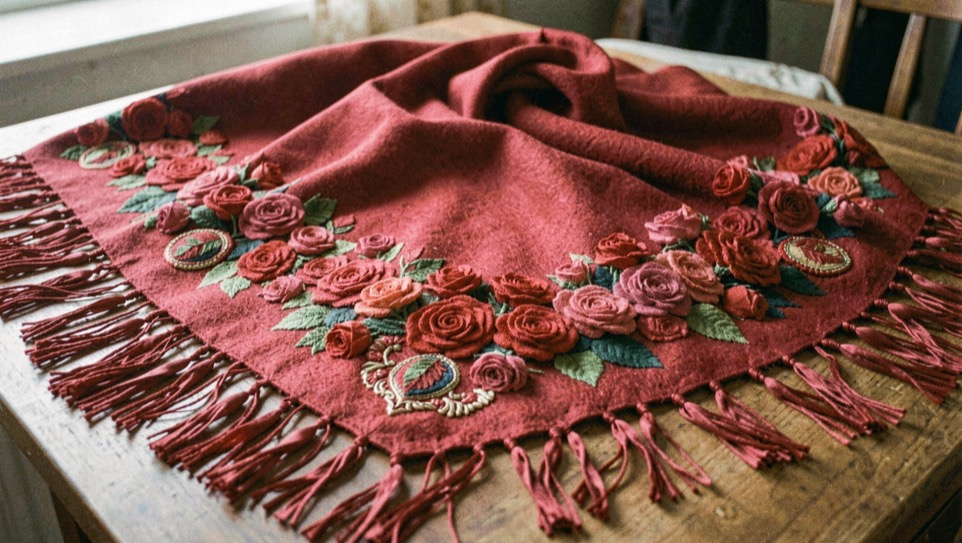
Pavlovo Posad shawls: reading the painted wool
A factory town turned flowers into a language: printed wool, silk fringe and borders dense enough to read across a room.
-
· Painted crafts
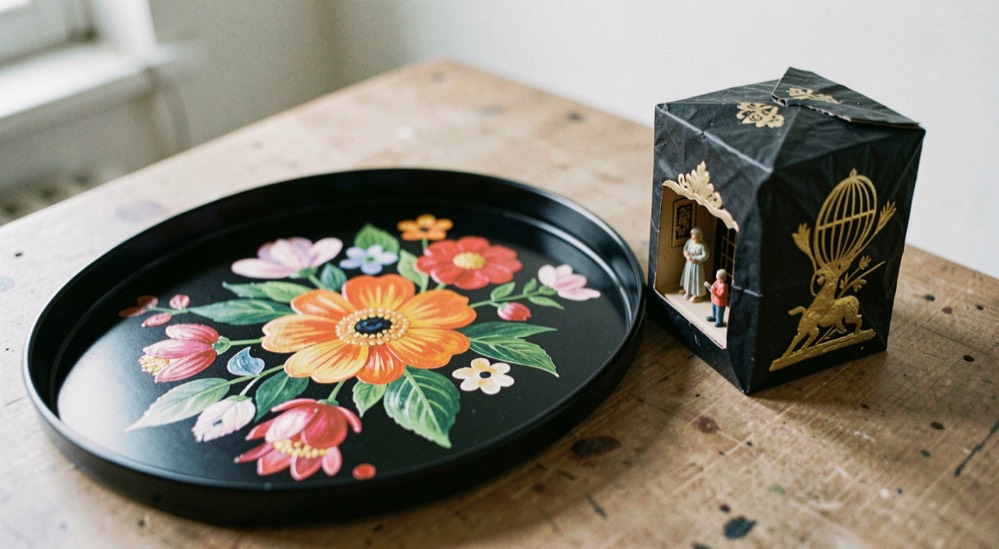
Painted trays and lacquer boxes: Zhostovo and the miniature villages
Two painted traditions on humble grounds: flowers on iron trays from one village near Moscow, and fairy tales in tempera on papier mache from four.
-
· Painted crafts
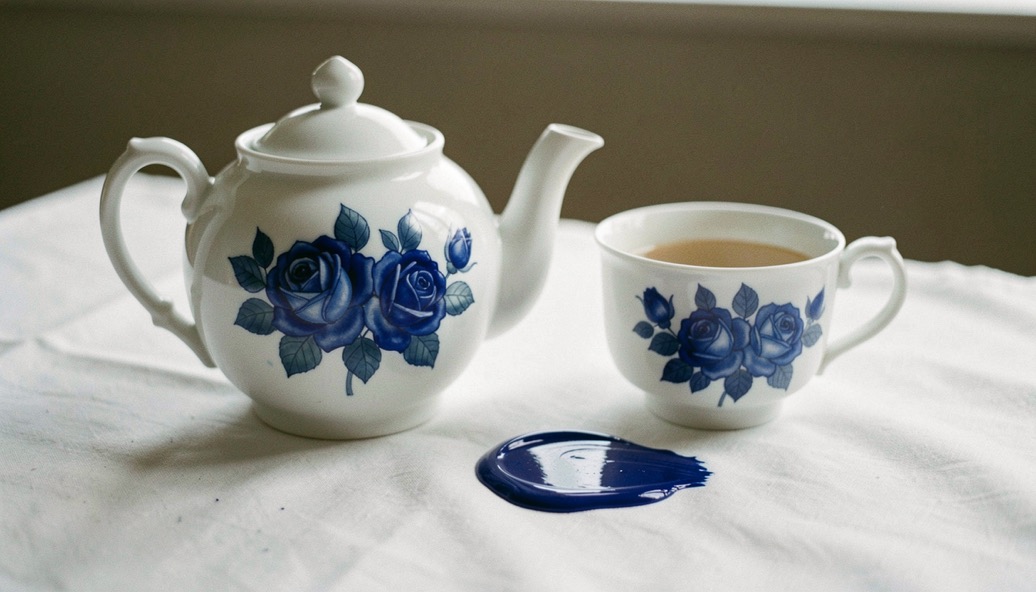
Gzhel: one cobalt, a dozen blues
The whole style is a single pigment handled like watercolor: cobalt on white, fired hard, and recognizable by a brushstroke no two of which match.
-
· Painted crafts
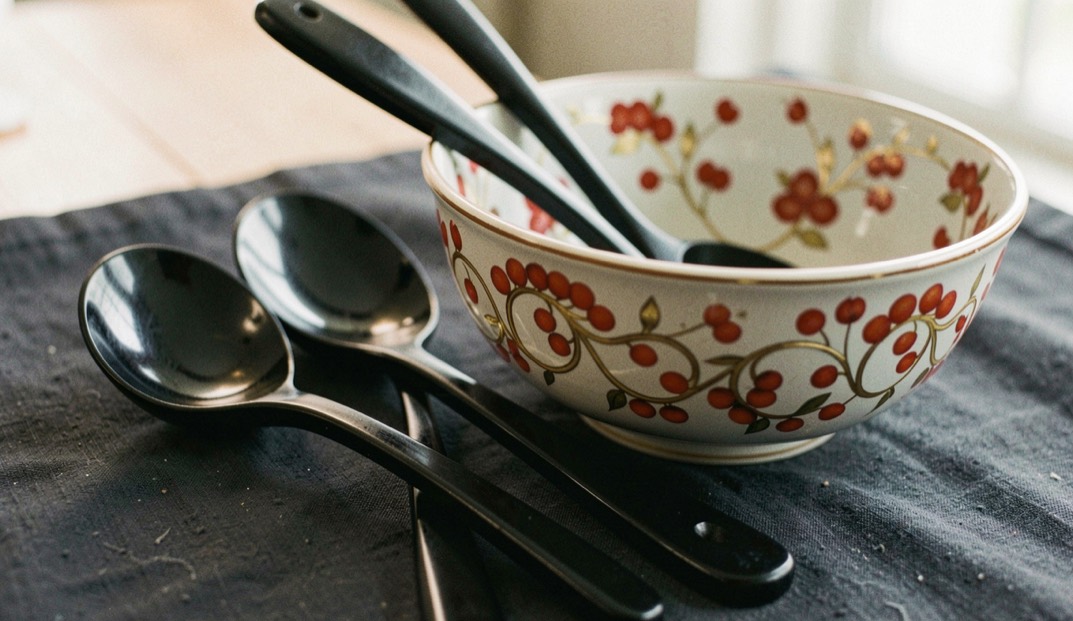
Khokhloma: how wood learned to shine like gold
No gold is used and everything shines: khokhloma is a chemistry trick, an icon painter’s inheritance and one of the great wooden crafts of Europe.
-

· Amber
Amber colors and grades, honestly priced
The palette is real chemistry and honest commerce: clarity, treatment and rarity set the grade, and the grade, not the story, sets the range.
-

· Amber
Real or fake amber: the honest tests
No single home test settles amber, but a short sequence does: brine, ultraviolet light, smell and surface, each with its known exceptions on the table.
-
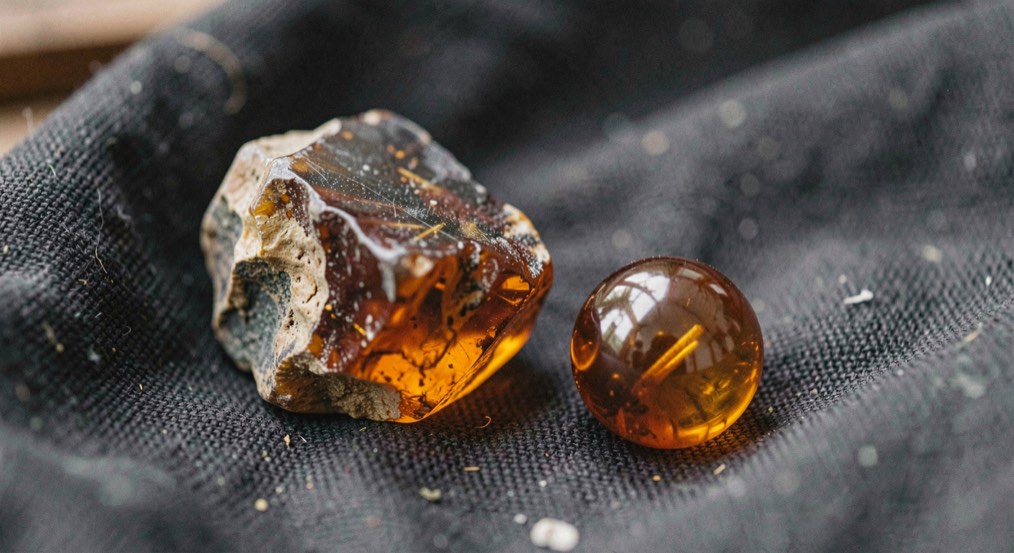
· Amber
Succinite: what Baltic amber actually is
Call it succinite and you have said something precise: a fossil resin of Eocene forests, loaded with the succinic acid that imitations cannot reproduce.
-
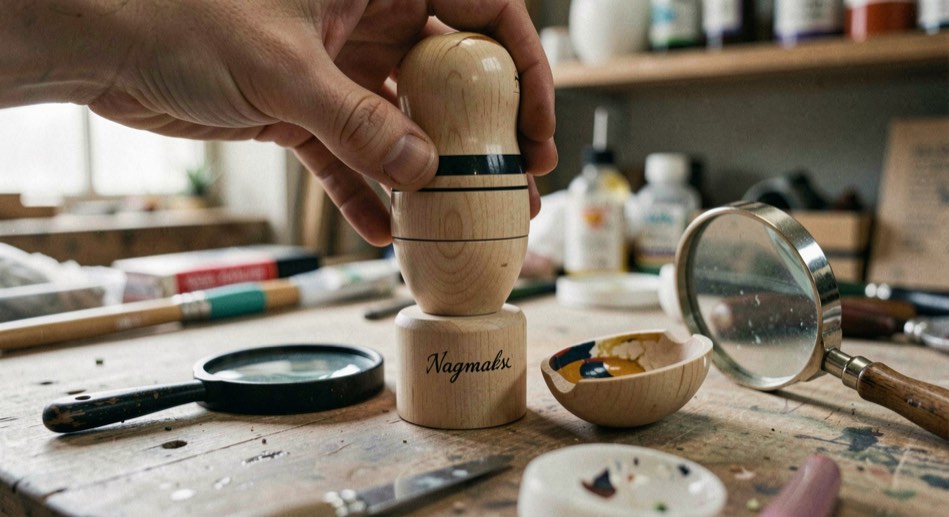
· Matryoshka
Genuine or souvenir: reading a matryoshka in hand
A nesting doll testifies on its own body: the wood, the seam, the varnish and the base each answer one question, and together they settle the price.
-

· Matryoshka
Three workshop styles and how to tell them apart
Same toy, three accents: the workshop towns never agreed on shape, palette or flower, and that disagreement is the collector’s best map.
-
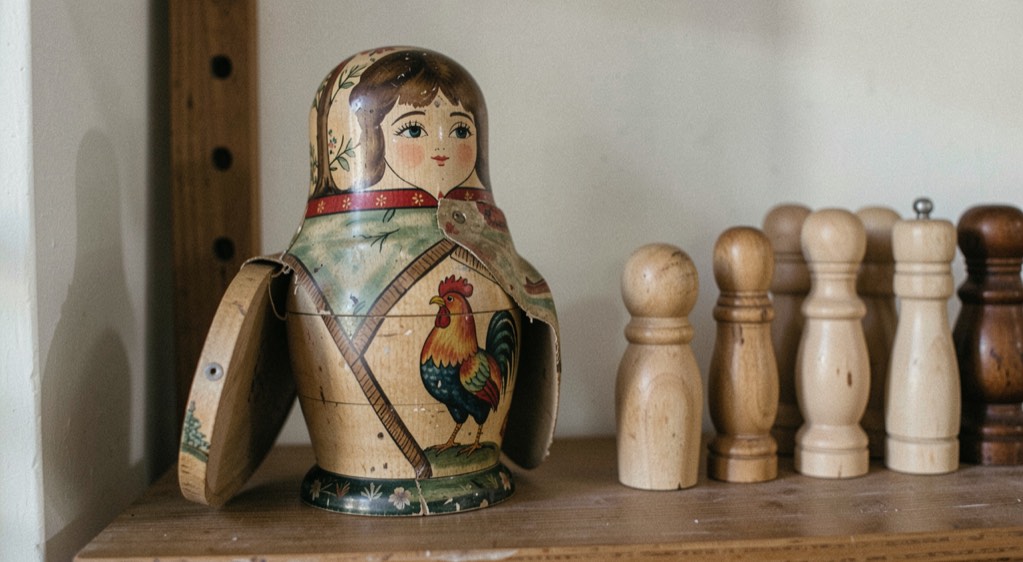
· Matryoshka
A short history of the matryoshka
It looks ancient and is not: the doll was born around 1890 from a turner’s lathe, a painter’s brush and a Japanese idea, and was world famous within ten years.
-

· Food & tea
Dental Office Design: Clearances Before Rooms
Dental office design starts with the daily work, not the walls. Five clearances decide each room, from the chair to sterilisation and the corridor.
-

· Food & tea
Reading a Housing Market Without Overreading It
A housing market analysis is only as good as the source behind each figure. Learn to separate published averages from the numbers that decide your own case.
The St. Petersburger is written by a small desk of collectors and editors; the page about the desk explains how guides are prepared and corrected. Questions and corrections reach the contact page, and the site’s rules live in the editorial policy, which also covers how a sponsored contribution would be handled.
The pages worth keeping close
A working shelf of guides and references that are reread and kept current as the desk checks its material.
-
· Reference guide
Matryoshka and Nesting Doll Guides
The short history and workshop styles that let a reader read wood, fit, lacquer and brushwork before trusting a souvenir.
-

· The desk
How the guides are prepared
The reference page behind the magazine explains its documented sources, correction practice and limits in plain language.
-
· Food & tea
The samovar and the tea table it built
A charcoal stove that pours, read through its metals, stamps and domestic role at the center of Russian tea culture.
-
· Amber
Real or fake amber: the honest tests
A careful sequence of brine, ultraviolet light, smell and surface checks, with the exceptions that keep home testing honest.
-
· Buying heritage
The care guide: keeping crafts alive at home
Simple rules for lacquered wood, amber, porcelain and wool, where ordinary light, water and heat do the lasting damage.
Material notes beyond the shelf
When the object leads you beyond Russian craft, these two specialist readings stay close to materials, marks and care.
- Reading brass, glass and patina For samovars and handmade objects, explore the material language and conservation gestures behind brass, glass and patina.
- Preparing an antique purchase For a considered antique purchase, follow dossiers on materials, marks and condition rather than a simple dealer list.
- The Silvered Pane For the history, glassmaking and care of Venetian mirrors, from Murano techniques to styles and display at home, readers can turn to The Silvered Pane, an independent editorial magazine that sells nothing.
- St. Augustine fire safety journal Collectors who keep a samovar glowing on the table may also care for old wooden houses, and the St. Augustine fire safety journal documents alarms, escape plans and storm-season generator risks for residents of Florida’s oldest city.
- shore ceramics and field notes For readers who follow workshop practice along the Chesapeake, The Working Shore documents plein air painting on the bay, shore ceramics from local clay, and bench work at the waterline, a chronicle at shore ceramics and field notes for studio students and attentive observers of documented gestures.
- collecting antique clocks guide For readers who want to date a shelf clock or read a maker’s mark before buying, a collecting antique clocks guide covers recognition, dating and care in plain language.
- how fresh evergreen wreaths are made For readers curious about how fresh evergreen wreaths are made, The Evergreen Door covers mounting on the ring, Noble fir against mixed conifer, swags, garlands and the care that keeps greenery green.
- farm venue planning guides For couples weighing a barn or farm wedding, farm venue planning guides cover booking order, seasonal decor, budget lines and low light photography, alongside notes for guests staying the weekend.